Barndominium Builders in Portland, Oregon
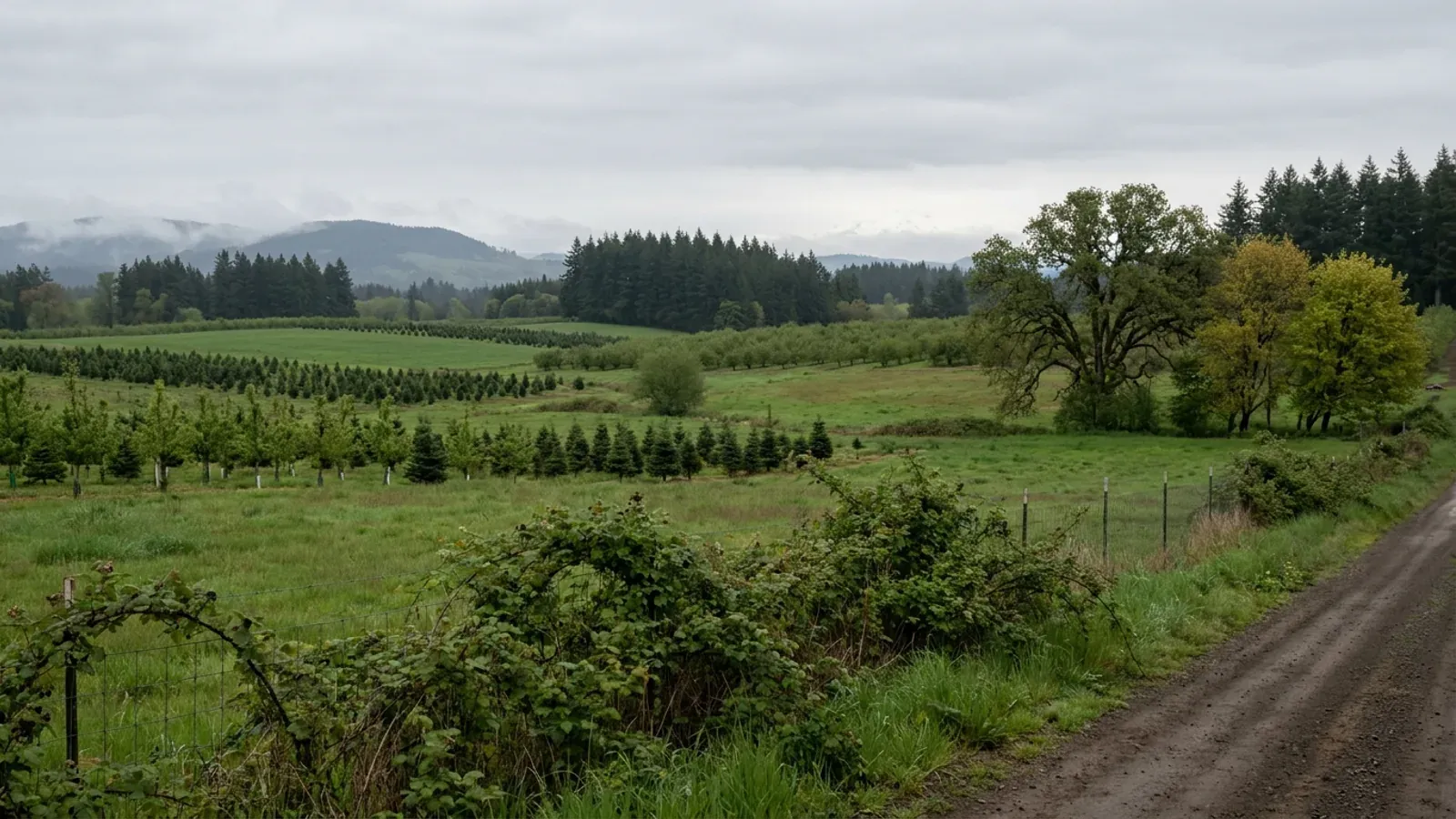
Portland is dense city land, and a barndominium with a full shop bay rarely fits on a typical platted lot here, so we will say that up front. Where one can work inside the city is at the edges: on the larger single-dwelling lots and on the few parcels zoned Residential Farm/Forest, where the zoning code still treats the ground as broadly agricultural. For anyone who wants real acreage, the better answer is usually the rural county land around the city: see Multnomah County, Washington County and Clackamas County. Barndominium kits suit an owner whose own crew will put up the shell, and a custom plan lays out the shop bay and the living quarters to fit the lot. Inside the limits, every new house goes through Portland Permitting & Development, the city office that runs building permits, zoning review and inspections together. Portland also sits inside the regional urban growth boundary, which is why open land in the city is scarce and served by city sewer rather than septic. A steel-frame metal home can suit a narrow city lot where a wide clear span is not needed. Tell us where the parcel is and what you want under the roof, and we will check the zone, the sewer route and the slope before anything is drawn.
Portland at a glance
- Principal county
- Multnomah County
- Building permit
- City building program
- Land use
- City zoning, inside a UGB
- Wastewater
- Public sewer
Barndominium Kits and Plans for Portland
The parcel decides the budget more than the floor area does, so each option is priced against your land rather than a rate card.
Barndominium Kits
Barndominium kits and shell kits for Oregon land, sized to the snow, wind and seismic values the state's design hub gives for your exact site.
Custom Plans
Custom barndominium plans drawn for Oregon's residential code, your site's snow and seismic values, and the energy chapter a steel shell must meet.
Pole Barn Homes near Portland
A pole barn home sets its frame on posts and trusses (the engineering term is post-frame), which often suits a simple, wide layout with a shop bay under the same roof. Whether it fits your parcel comes down to the zoning and the site, set out below.
Permits, Zoning and Septic in Portland
In Oregon the land-use answer often comes before the building answer. Here is who decides each part in Portland, taken from the office or document that publishes it. Rules change, so check them again against your parcel before anything is drawn.
Portland Permitting & Development (PP&D)
PP&D manages building permits, land use, inspections, code enforcement and public works permits for property inside Portland's city limits, and its residential program sets the application requirements for one and two-family homes. A barndominium built as a house is permitted like any other new home. Land beyond the city limits falls under a different jurisdiction, so check the county page for rural parcels.
Source: Permitting & Development, City of Portland (portland.gov)
Portland Permitting & Development (city zoning); Metro (regional urban growth boundary)
Portland lies inside the Portland region's urban growth boundary, which Metro is required by the state to manage while keeping enough land inside it for 20 years of housing and business growth. Land inside the boundary is served by roads, water and sewer systems. Within the city, the Title 33 zoning code decides what a given lot allows.
Source: Urban growth boundary, Metro (oregonmetro.gov)
Portland Bureau of Environmental Services (BES)
City Code Chapter 17.33 sets a general policy that plumbing fixtures connect to the public sewer. An onsite septic system is the exception, only where the city is satisfied one can lawfully be permitted, and work that adds load to an existing system once sewer is available generally means abandoning it and connecting.
Source: Chapter 17.33 Connection to the Public Sewer, Portland City Code (portland.gov)
- Farm/forest zoning inside the city
- Portland's single-dwelling zoning chapter (Title 33, Chapter 33.110) lists six zones, from Residential Farm/Forest (RF) down to R2.5. The code says the RF zone is intended to generally be an agricultural zone, and agriculture is an allowed use in the RF and R20 zones (chapter pages dated October 2024 to March 2025).
- The house comes before the shop
- Under Section 33.110.245, a detached accessory structure is allowed on a lot only in conjunction with a primary building and may not exist on the lot before the primary structure is built. A stand-alone shop cannot go up first on a Portland single-dwelling lot and wait for the house.
- Wet-season erosion control
- From 1 October through 30 April, a site with ground-disturbing work needs an on-site erosion and sediment control manager who inspects and documents at least weekly and within 24 hours of a half-inch rain, and bare ground must be stabilised within two days of disturbance (PP&D notice, updated 11 September 2026).
Source: Chapter 33.110 Single-Dwelling Zones, Portland Zoning Code (Title 33) (portland.gov)
Source: Chapter 33.110 Single-Dwelling Zones, Portland Zoning Code (Title 33) (portland.gov)
Source: Extra erosion control measures are required starting in October, Portland Permitting & Development (portland.gov)
Building on land near Portland
Start with the city zoning map before making an offer: the base zone sets the lot rules, and an overlay zone, a plan district or a historic landmark designation can add more on top. The RF and R20 zones are the only ones where agriculture is allowed outright, which is as close as Portland gets to farm ground. Confirm that the lot has a workable route to the public sewer, since septic is the exception here. Sloped lots in the west hills and along creeks bring grading, and from October through April the erosion rules tighten, so a winter start costs time. If the plan calls for several acres, a large shop and room for animals, the search usually moves outside the city limits to the rural county land west, east and south of Portland.
Other places in this part of Oregon
Portland Metro & the Northern Willamette Valley
Have land in or near Portland? Tell us about the parcel and what you want on it, and we will check it against the local rules before anything is drawn.
Building in Portland: questions
Start the surveyHow much does it cost to build a barndominium in Portland?
Do I need a building permit for a barndominium in Portland?
Can I build a barndominium on a residential lot in Portland?
Where can I find acreage for a barndominium near Portland?
Keep reading
What usually comes next once you know what Portland allows.
Barndominium Cost Guide
Sourced per-square-foot ranges by tier and size, and what moves the number on your land.
Read itIs a Barndominium Legal in Oregon?
Zoning, farm and forest land, septic and who inspects, before you buy the land.
Read itHow Long Does It Take?
From parcel to move-in, and which steps set the clock.
Read itSources for this page
The published pages behind the Portland facts above. Rules change, so check the current version with the office before you rely on it.
- Permitting & Development, City of PortlandBuilding permit authorityportland.gov
- Urban growth boundary, MetroLand use and zoningoregonmetro.gov
- Chapter 17.33 Connection to the Public Sewer, Portland City CodeSewer or septicportland.gov
- Chapter 33.110 Single-Dwelling Zones, Portland Zoning Code (Title 33)Farm/forest zoning inside the city; The house comes before the shopportland.gov
- Extra erosion control measures are required starting in October, Portland Permitting & DevelopmentWet-season erosion controlportland.gov
Other places near Portland
Nearby places with their own pages. Across a city limit or a county line the permit office, the zoning and the septic rules can change, so each is covered separately.
Building in Portland?
Start with the survey. Tell us where the land is and what you want on it, and we will come back with which offices decide it, what the zoning allows, and a plan to fit.